Ultimate Comparison of Playpod Designs in 2026
As we navigate through 2026, the evolution of play environments has reached new heights, particularly with the introduction of innovative Playpod designs. These structures are not only enhancing the aesthetics of outdoor spaces but are also revolutionizing the way children engage in play. This article delves into the latest trends, features, and benefits of various Playpod designs that have emerged in 2026, providing insights for parents, educators, and designers alike.
Trends in Playpod Designs for 2026
In 2026, Playpod designs showcase a shift towards inclusivity and sustainability. Designers are now focusing on creating environments that cater to diverse needs while minimizing environmental impact. One notable trend is the integration of sensory experiences within Playpods, catering to children with varying sensory preferences. These sensory Playpods feature textures, sounds, and visual stimuli that encourage exploration and engagement.
For example, a recent installation in a community park in Chicago highlights these trends. The Playpod includes tactile walls that children can touch and feel, alongside sound panels that produce different sounds based on interaction. Such designs not only promote play but also foster social interaction among children, enhancing their developmental skills.
Eco-Friendly Materials
The use of eco-friendly materials has become a cornerstone of Playpod designs in 2026. Manufacturers are increasingly opting for recycled materials and sustainably sourced wood to create durable and safe play environments. This shift not only reduces the carbon footprint associated with production but also resonates with eco-conscious families.
For instance, a popular Playpod model released this year is built entirely from recycled plastic and reclaimed wood. Its design is not only visually appealing but also ensures safety and longevity, making it a perfect addition to any playground. Parents can rest assured knowing that their children are playing in an environment that prioritizes sustainability.
People Also Look For:
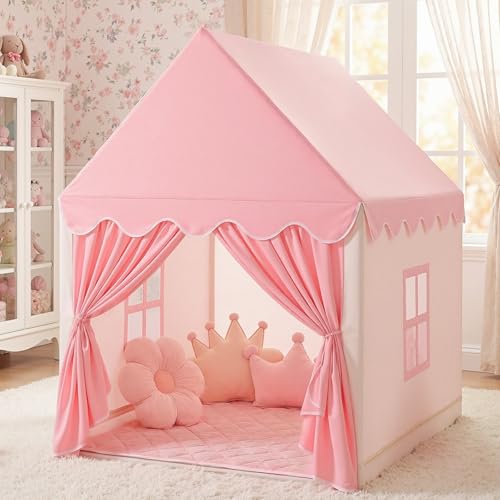
- Wilwolfer Kids Play Tents for Toddlers Kids Tents Indoor Playhouse - Princess Tent for Girls Toy House Gift (Pink Play Tent)
- MAIKEHIGH 3 in 1 Kids Play Tent, Pop Up Tent with Crawl Tunnel
- Kimglurs Kids Play Tent with Star Lights and Flags, Indoor Outdoor Playhouse for Boys and Girls, Large Foldable Castle Tent for Im...
- Liberty House Toys Jungle Play Tent, Green, Children's Sensory Toy, Dia100 x H135 cm
- Kids' Dinosaur Discovery Play Tent - Foldable Indoor/Outdoor Playhouse, Perfect for Parties, Birthdays, and Toddler Gifts
Customizable Features
Customization is another key aspect of Playpod designs in 2026. Many manufacturers now offer modular designs that can be tailored to fit specific spaces or themes. This flexibility allows communities to create unique play environments that reflect their values and culture.
Consider a recent project in San Francisco where a Playpod was designed to reflect the local maritime history. The structure features nautical themes, including a ship deck and lighthouse lookout, encouraging imaginative play while educating children about their local heritage. Such customized designs not only enhance play value but also strengthen community identity.
Safety Innovations
With more emphasis on child safety, Playpod designs in 2026 have introduced several innovative safety features. These include anti-slip surfaces, rounded edges, and impact-absorbing materials that minimize injuries during play. Additionally, many designs now incorporate visibility elements that allow caregivers to monitor children easily, ensuring a safer play experience.
For example, a recent installation in a suburban school features a Playpod with an open design, allowing caregivers to have an unobstructed view of all play areas. This design choice has received positive feedback from parents who appreciate the added security it provides during playtime.
Community Engagement and Playpod Usage
Community engagement has become a significant factor in the success of Playpods in 2026. Many organizations are now involving local families in the design process, ensuring that the final product meets the needs of the community. This collaborative approach not only fosters ownership but also encourages sustained usage of the Playpod.
A noteworthy initiative took place in Austin, Texas, where local families were invited to participate in workshops aimed at designing their Playpod. Feedback gathered from these sessions led to the incorporation of specific features such as climbing walls and shaded areas, making the Playpod more appealing and functional for children of all ages.
Impact on Child Development
Research continues to support the notion that play is vital for child development, and Playpods are designed to facilitate this. In 2026, the emphasis on active play and social interaction has never been so critical. Playpods encourage physical activity, which is essential for motor skill development, while also providing opportunities for cooperative play, fostering social skills among children.
In a recent study conducted by child development experts, children who regularly engaged with interactive Playpods demonstrated improved communication skills and increased creativity. This reinforces the importance of investing in quality play environments that support holistic development.